
Understanding and Managing Performance Anxiety in Musicians
By Victoria Hightower
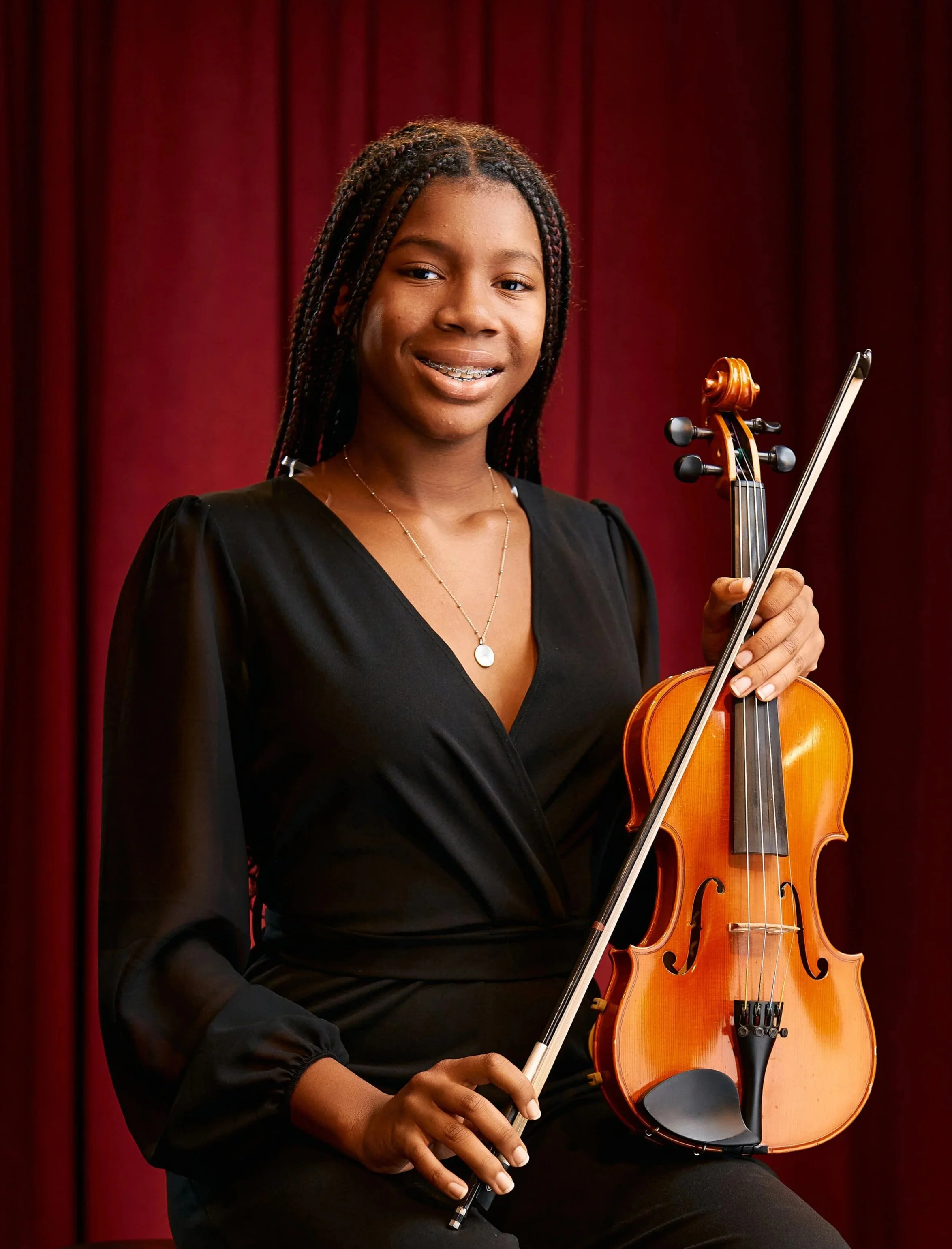
Ever since I started playing the violin, performing has been a big part of my life, but it hasn’t always been easy. No matter how much I practiced, I would feel extremely nervous, shaky, and not like myself. My muscles would tense up, my heart rate would increase, and it felt like all the preparation I did would disappear. It was frustrating because I knew I was capable of playing better than what I was showing. Over time, I realized that what I was experiencing was performance anxiety, something that affects not just musicians, but anyone who has to perform under pressure, including athletes, actors, and public speakers. When I began my IB MYP Personal Project, I saw it as an opportunity to better understand this and find ways to manage it. Performance anxiety is different from normal nerves. While both can cause a fast heart rate, shaky hands, and tense muscles, normal nerves are your body’s natural response and usually calm down after the initial adrenaline rush once you start performing. Performance anxiety, however, does not go away as easily and can last throughout the performance, making it feel stressful instead of exciting and affecting your focus and confidence. Learning this helped me realize that I could actually work on managing it instead of just dealing with it.
Over time, I learned there are many ways to manage performance anxiety. Being prepared, knowing my piece inside and out, and practicing in front of others helped me feel more confident. I also learned that taking care of my body is just as important as practicing by getting enough sleep, eating balanced foods like chicken, rice, eggs, or a banana, and staying hydrated. Breathing techniques like box breathing, diaphragmatic breathing, and cycling sighing helped calm my heart rate and control shaky hands. One of the most helpful strategies for me was the butterfly hug, where I cross my arms over my chest and tap each hand in an alternating rhythm.
This helped me focus on one steady motion instead of my anxiety and allowed my body to calm down and feel more in control. Other strategies like shaking out my body, visualizing a successful performance, thinking positively, using focus words, and not over-practicing right before performing also made a difference. Taking a short nap and practicing performing more often helped me feel less overwhelmed over time. By experimenting with these strategies and reflecting on what worked, I started to notice real improvement. I felt calmer, less tense, and more in control, and I was able to enjoy performing more. Although performance anxiety does not completely go away, I learned how to manage it, and this experience showed me that even my biggest struggles can become my greatest strengths with the right mindset and effort.